
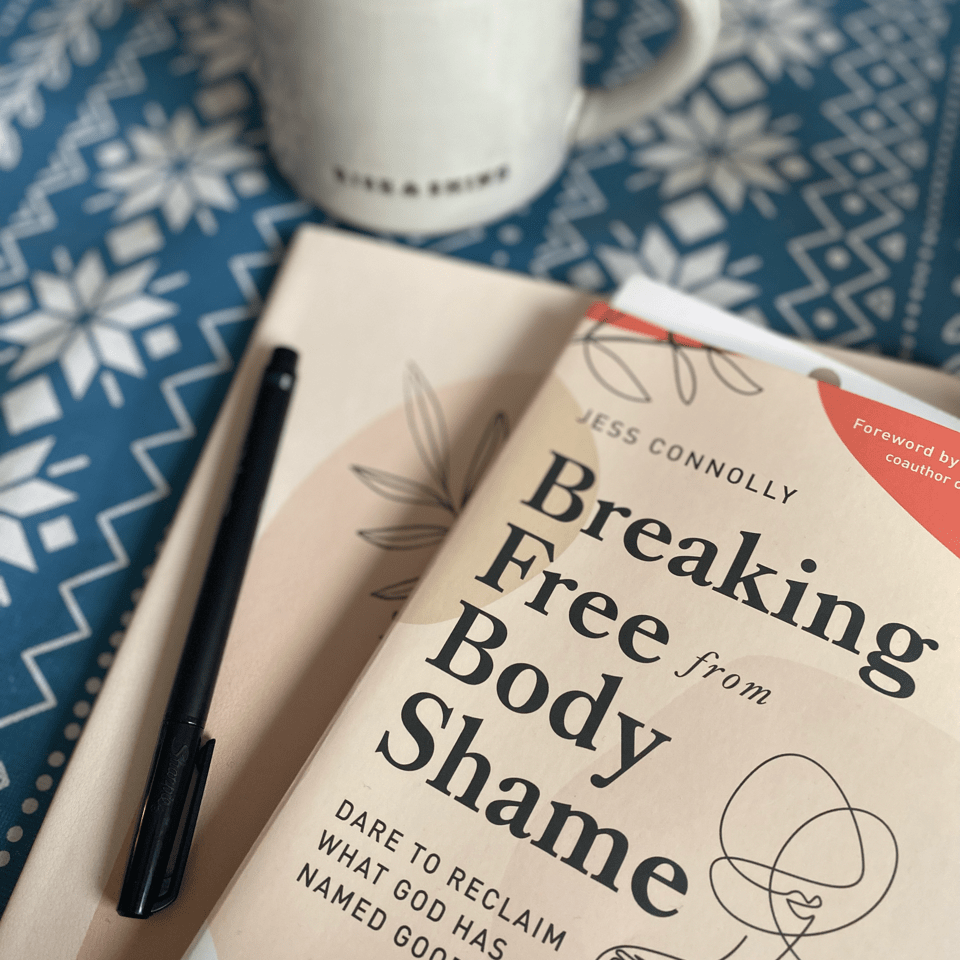
“In a safe space, people feel comforted and even comfortable. In a safe space, you can say what’s real and true for you without implications or repercussions…[However,] when we’re comfortable, we tend to stay the same. In a brave space, there is an invitation to be who you are, where you’re at, while being offered a challenge and room to grow. In a brave space, you accept the probability that you’ll feel uncomfortable, but that your discomfort will be productive.”
“Breaking Free From Body Shame” (Pg 15) – Jess Connolly
Brave space. This concept is new to me since reading the book, though I am now aware that it is quite common within social justice conversations. I love this idea because it pushes me to consider what is the actual point of pursuing safety. I want to feel safe as I am but I also long to move past the challenges that face me. Brave space allows me to feel safe while confronting things within me that are not safe or healthy.
Now that I’m aware of this concept I can recognize the times in my life that I have entered this type of mentality, mostly within counseling sessions. There is a serious challenge within counseling sessions to confront the lies within and move through them instead of just continually sitting in my pain. The hardest part about it is doing it with someone else who sees and hears everything as I deal with it. The vulnerability is terrifying. It’s uncomfortable and extremely challenging. But, vulnerability is necessary because in order to really grow, first we need to be tender and honest. Softness of heart is the only thing that can really be molded. A hard or heavily guarded heart most likely won’t be able to experience change until those walls begin to come down to acknowledge the pain that is within. It’s in that pain that we truly begin to experience healing.
So, I’m writing to you from my brave space. This is me and where I’m at right now:
My mind has felt like a battlefield as I wrestle with food intake and exercise and the reasons why I do these things. I weighed myself the other day and I had gained weight since I last checked a month earlier. The amount of terror I felt inside was alarming and I had no idea what to do with it. Before COVID hit I was in my prime of health and fitness (at least according to the standards of the world around me). From 2018-2020 I had lost well-over 20 lbs doing the Keto Diet and I started running ALOT. Like, ALOT ALOT. I averaged about 40 miles a week and completed a marathon in January of 2020. I was thin. Like, scary thin. In that time I didn’t really feel any different about my body than I do now because I still saw myself as not enough. I still found problems I didn’t like and I had very little accurate reading of what my body actually looked like. I suppose it’s pretty close to body dysmorphia.
Body dysmorphic disorder is a mental health disorder in which you can’t stop thinking about one or more perceived defects or flaws in your appearance— a flaw that appears minor or can’t be seen by others.
Mayo Clinic
I just couldn’t be fit “enough” even as I was training. I had to eat carbs to sustain my running schedule for the marathon and I hated that. I felt I was “putting on weight” and nothing could change my opinion. I constantly heard around me that the changes to my body in my weight loss were good. I looked “awesome” and I was receiving attention for the changes. At one point I knew this was dangerous because the reactions to my weight loss meant that it would be noticed if I couldn’t keep it up and it was a lot of pressure. I felt like I was being watched and that’s really unsettling when it comes to decisions about my own body. I knew it would create a standard of continuing a really difficult and time-consuming regimen to keep the responses positive. Surprise, surprise, I couldn’t keep it up. COVID hit and I lost my entire structure of life. My responsibilities shifted and I couldn’t do it all anymore.
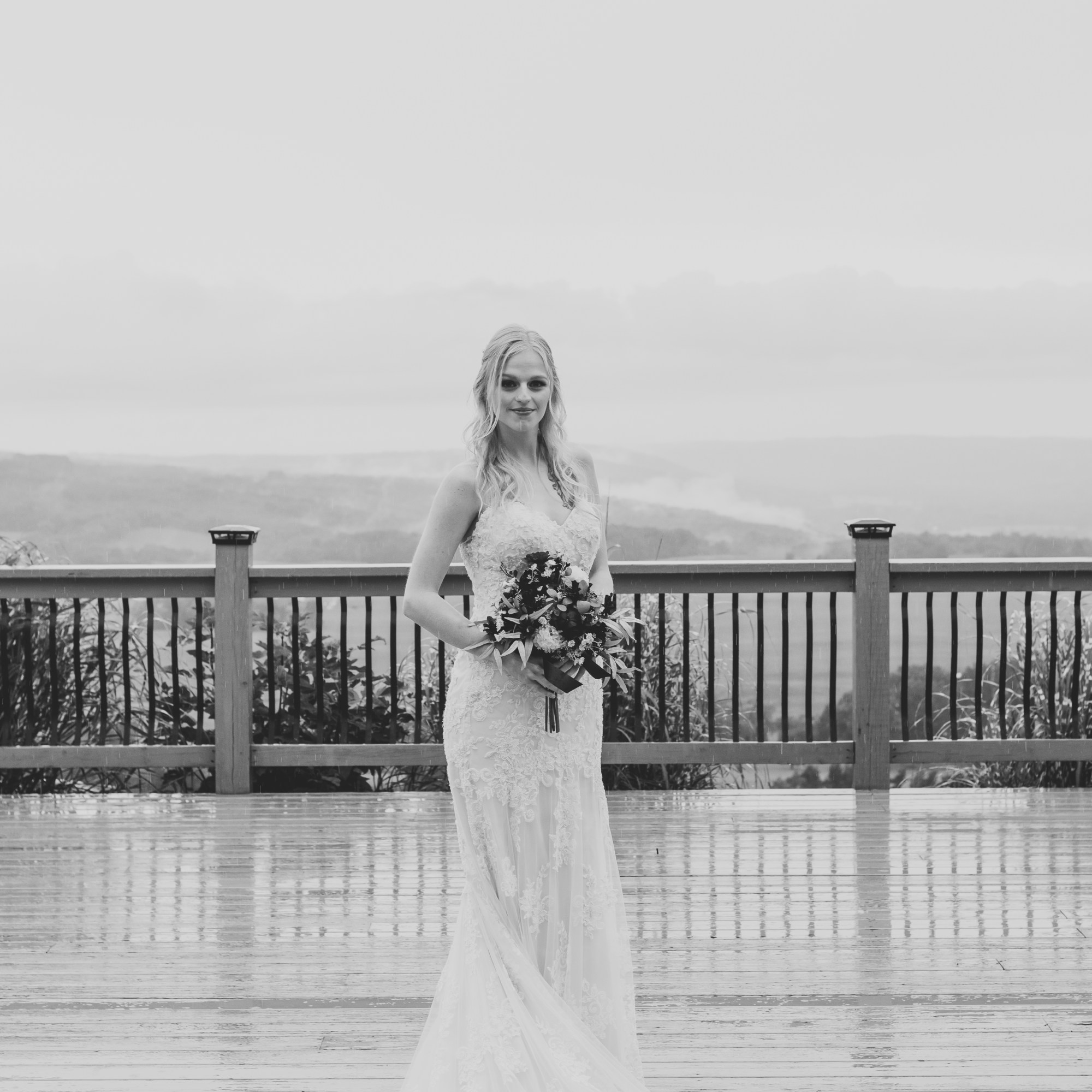
So, since then I have almost gained all of that weight back. You can probably imagine the amount of shame I carry because of that. I couldn’t keep it up. In my perspective, I failed. Miserably. My wedding arrived and I was SO self conscious in my dress. I didn’t really feel at ease the entire time. It’s so sad to say it. My wedding dress fittings were some of the most stressful days of my life. I didn’t want my form-fitting dress to show any bulge or curve that was “out of place”. I still see those bulges and curves as I look at my wedding images.
I’m trying to change. I recognize that I’ve been shaped (literally) by society and opinion for my whole life. I’ve grown up in the culture of fixing things that aren’t broken. I’ve grown up in a culture where bodies seem to be frozen in time as one glorified image of thinness. I’ve grown up believing that no matter what stage my body was in, it wasn’t ever enough.
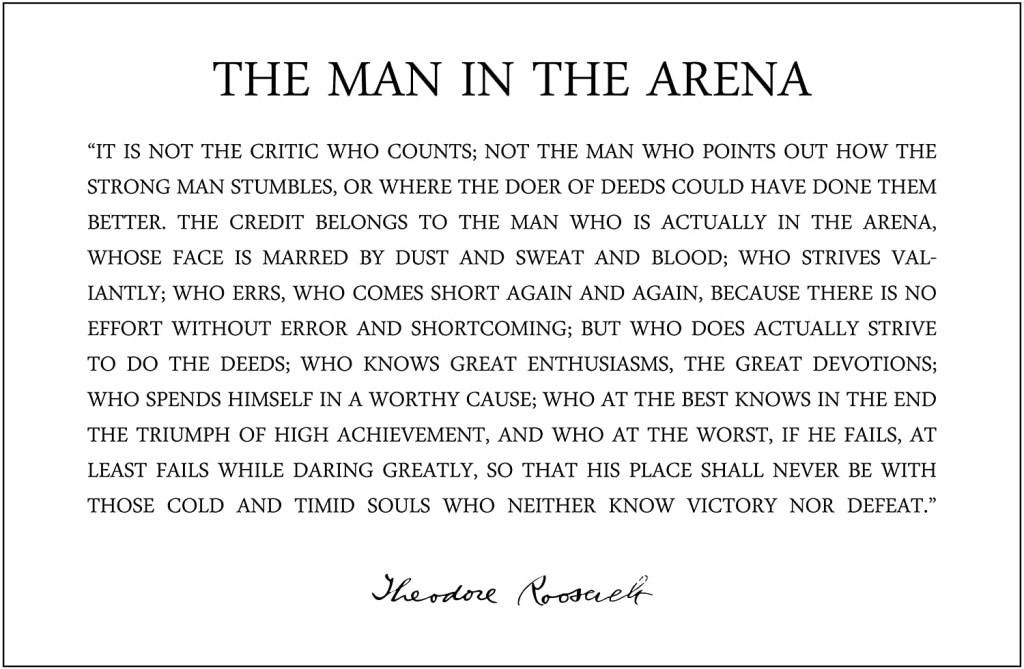
The truth is that my body is not frozen in time. My body reflects the seasons of life and those seasons are so beautiful. They are seasons that represent me diving into the arena of life and fighting for what matters. My body can exist outside of the ridiculous reality that’s been painted for me for years. It’s going to change from season to season and that is GOOD. Why don’t we celebrate the subtle gain of weight? Does weight have to be bad? What does weight even mean when it comes to others opinions of what’s the right amount? I’m asking these questions and I’m fighting for my body to be good as it is, completely outside of weight loss or weight gain. I don’t want that to be the sliding scale of value any longer.
I urge you to ask these questions and enter into a brave space. Let’s pursue tenderness of heart and open ourselves up to the truth that our bodies are made good – no matter the number.
I’ll leave you with this TEDtalk by Brené Brown. Get into the brave space arena (12:24) and start fighting for your body.
“Vulnerability is our most accurate measurement of courage.”
Brené Brown
 In Response: